How a Metabolic Spark Could Have Jump-Started Life
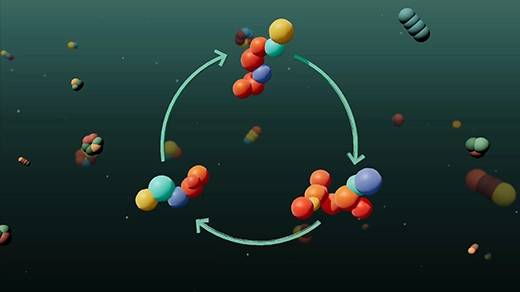
Energetic pathways that make and break complex molecules are critical to all life. It’s even possible that these self-sustaining cycles could have been key to life’s beginning.
This explainer is part of Quanta Magazine’s Origins of Life Week. Check back throughout the week for more stories about one of science’s biggest unknowns.
For well over 4 billion years, the fire of metabolism has powered the engines of life. The ability of cells to gather, transform, and harness chemical energy from their surroundings is the central force driving the dizzyingly complex network of chemical reactions that sustains living things.
Metabolism is so crucial to life that some researchers believe that these reactions could have helped spark life itself. They argue that life’s first glimmers were found in self-sustaining cycles of simple molecules, before genes or cells existed. Only later did more complex molecules like RNA and DNA develop and begin storing information for the purposes of heredity.